On Tuesday, the United States Federal Trade Commission announced that it would appeal the judgement of last November that Meta did not constitute an illegal monopoly. According to the Agency, “full court evidence” indicates that Meta’s acquisition of Instagram in 2012 and WhatsApp in 2014 constituted undue competition and requested that its application matrix be split. At the time of the initial hearing, the Federal Trade Commission had sought to force Meta to remove Instagram or WhatsApp.
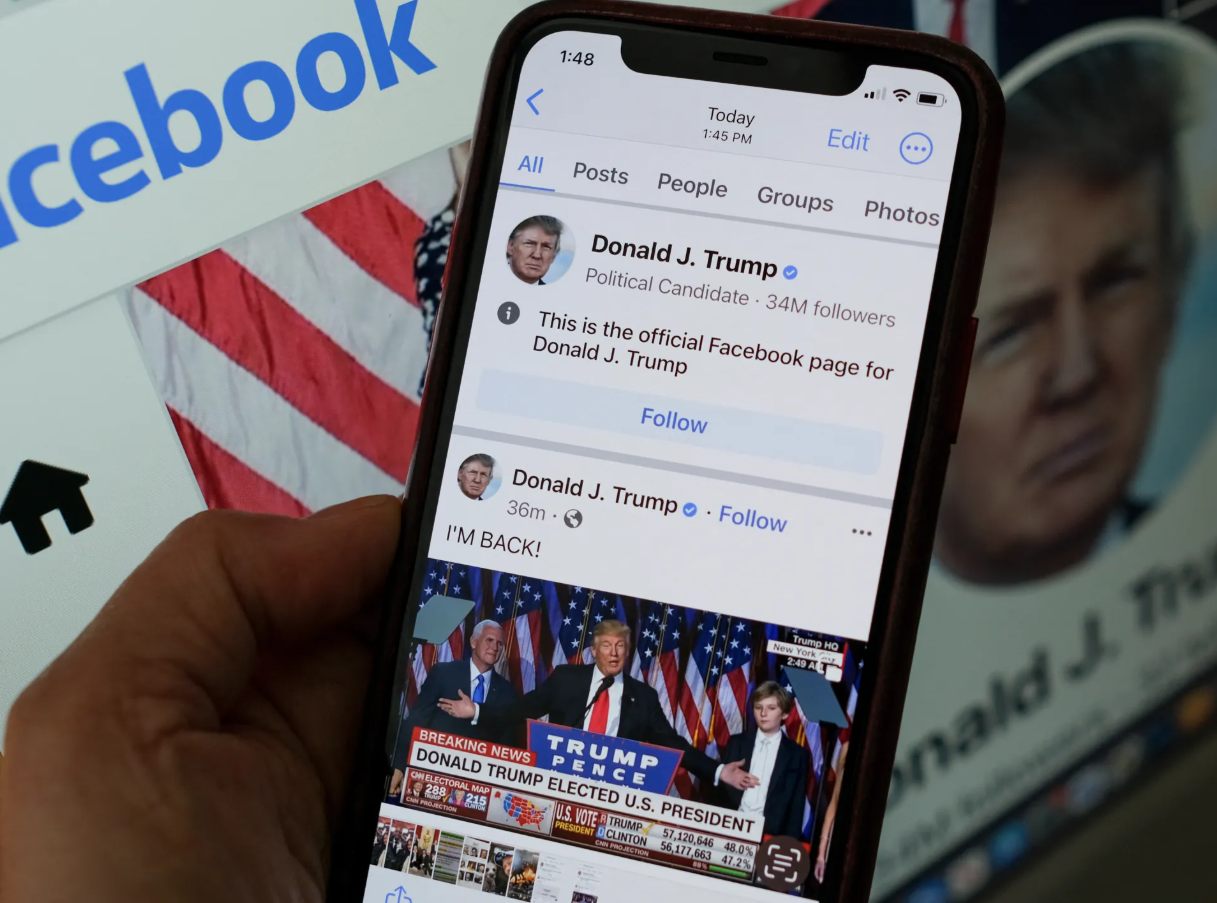
In its statement, the United States Federal Trade Commission reiterated: “For more than a decade, Meta has illegally maintained its monopoly position in the area of personal social networking services through the acquisition of Instagram and WhatsApp, which it has identified as a major competition threat. According to Reuters, the agency ‘ s spokesperson, Joe Simonson, pointed out to the media that the proceedings against Meta could be traced back to the previous term of office of Trump. BBC reported that in 2017 Trump accused Facebook and its CEO, Mark Zuckerberg, of “anti-Trump” and that in 2021 Meta’s ban on its Facebook and Instagram accounts exacerbated the tension. Before Trump began his second term, Zuckerberg tried to repair the relationship. According to BBC, Zuckerberg donated US$ 1 million to the Trip Fund to “compensate the relationship between individuals and companies and Trump”. Last January, the United States National Public Radio disclosed that Meta had also paid $25 million to settle litigation arising from the closure of accounts. However, these moves do not appear to have affected the determination of the Federal Trade Commission to break down Meta’s “monopoly”. Joe Simonson stressed that the case remained a priority, as “Meta acquired Instagram and WhatsApp in violation of the antimonopoly law”, resulting in “U.S. consumers suffering from monopoly damage”.
For Meta, this renewed legal war comes at a sensitive time when tech companies are careful to avoid potential retaliation from the Trump government. After winning the case last fall, the Chief Justice of Meta, Jennifer Newstead, claimed that the judgement recognized “Meta facing intense competition”. She said: “Our products benefit people and businesses, demonstrating innovation and economic growth in the United States. We look forward to continued cooperation with the Government and to investing in the United States.” This statement seems to be a gesture of goodwill to the Trump Government. Meta’s response to the Federal Trade Commission’s appeal was also neutral this week, and his spokesperson reiterated: “The district court’s decision rejecting the Federal Trade Commission’s argument was correct and recognized the intense competition we faced. We will continue to focus on innovation and investment in the United States.” Last year, the Federal Trade Commission argued that Meta had only Snapchat and MeWe (smaller) competitors on the personal social network market, but Meta successfully argued that Instagram and TikTok were alternative, and that Judge James Bosberg had accepted TikTok as a competition. In addition, the judges did not accept the Federal Trade Commission ‘ s allegations that Meta abused its monopoly position, reduced the quality of its application and increased advertising loads to the detriment of consumers, but rather agreed with Meta ‘ s claim that it continued to improve its functioning. In its judgment, Bosberg stated, inter alia: “It is hard for the court to believe that consumers would be willing to choose the Instagram and Facebook versions of 10 years ago rather than the current version.” As the Federal Trade Commission recommences its proceedings, the new judge will rebalance Meta’s core arguments and the concept of “social networking” as defined earlier on Facebook has disappeared, rendering Federal Trade Commission prosecutions irrelevant.