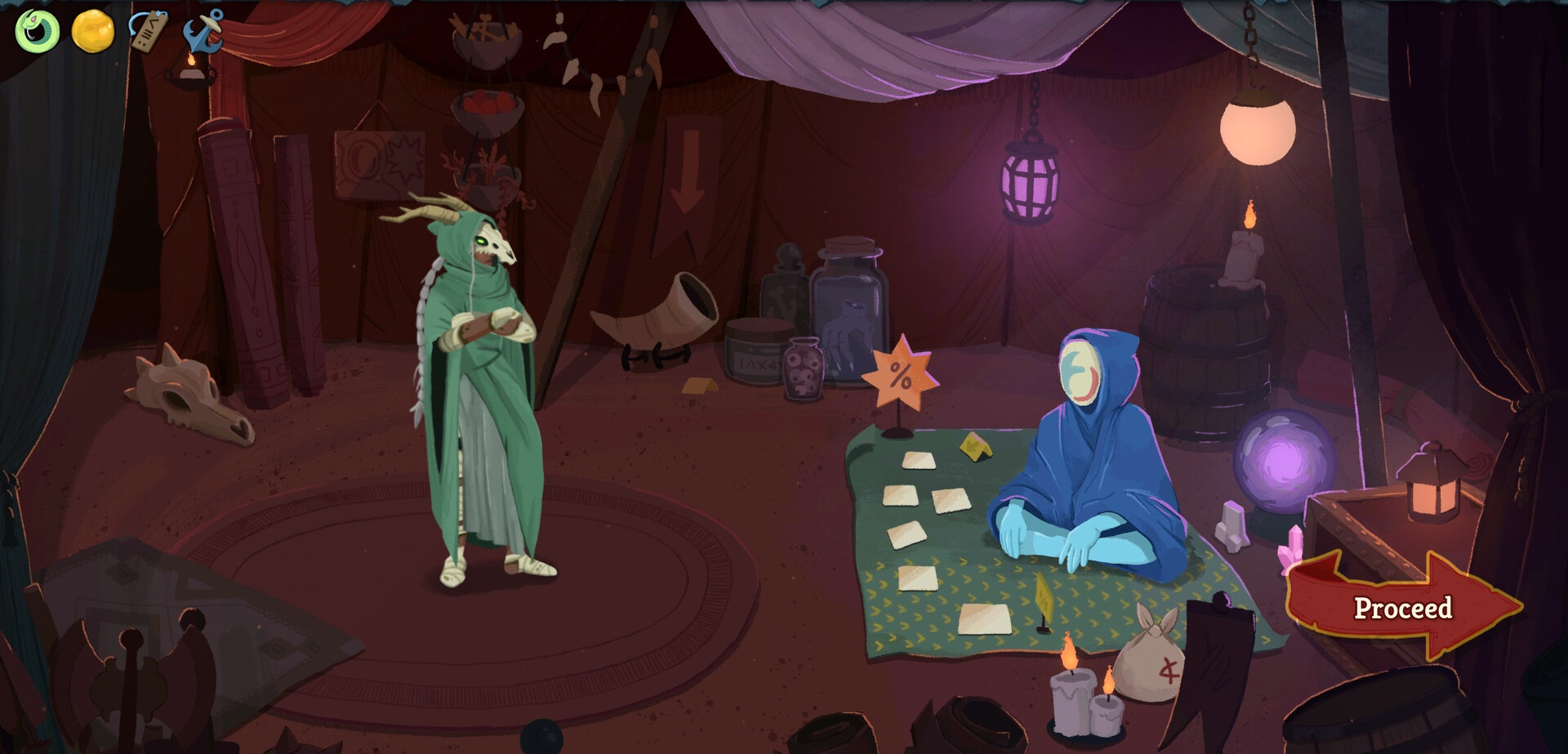
On Steam, the Skull Tower 2 is facing a new round of negative bombing, from a “good rating” to a “unsatisfactory rating” from the beginning. It seems that this low-level rating still stems from the recent balancing of the game.
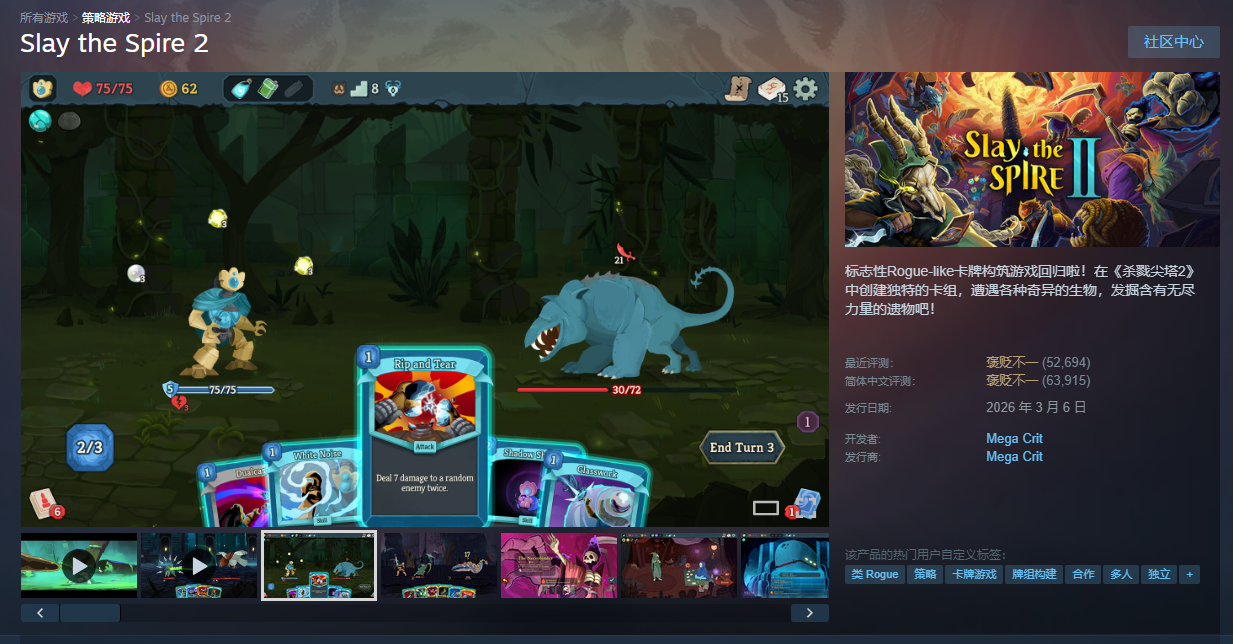
As one of the most influential roguelike-building games in recent years, the Skull Tower II was almost unanimously received by the player at the beginning of its launch, but after several updates to change the core strategy and card genre, it became clear that the player’s mood had changed. For the first time, in March 2026, it was launched in the form of a pre-employed experience, which quickly drew the attention of players through a more informative and sophisticated mechanism than the original Sphere of Killing. In particular, players highlighted the many improvements that had been made, including a more sophisticated balancing system, a new player role, an upgraded image and a multi-person model that supported four people working together. The early height of the game turned into an impressive level of user participation. At the peak of the period, the Skull Tower 2 also reached 574,638 online players on steam, which was a great success for an independent game of roguelike that could be included in the history of the game and could set up a new game-type pole on steam.
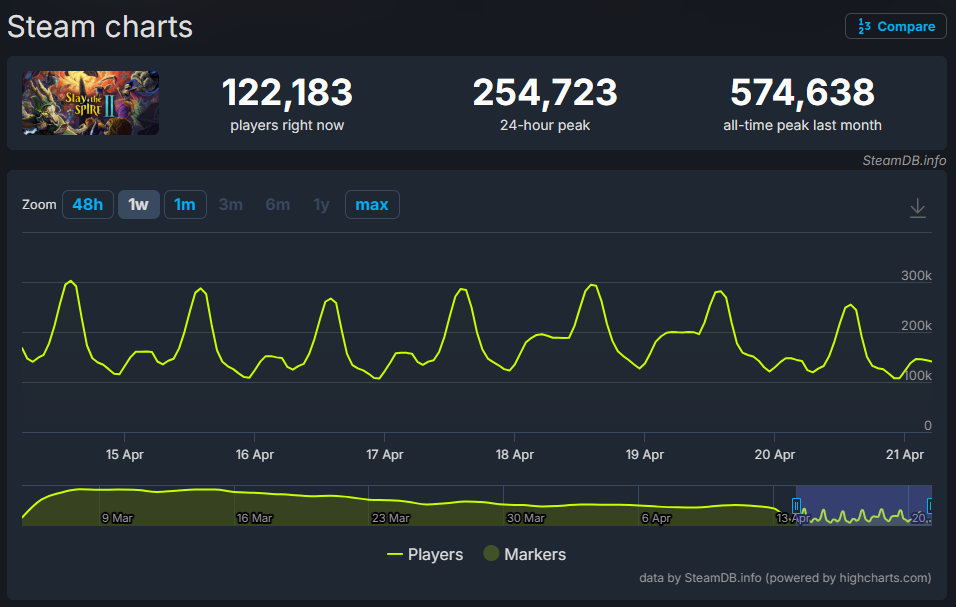
However, as patches continue to introduce balancing adjustments, the sense of frustration that they create diminishes the enthusiasm of players.
The new round of poor assessments appeared after the update of version V0.103.2, which consolidated several experimental adjustments in the March and April Beta tests.
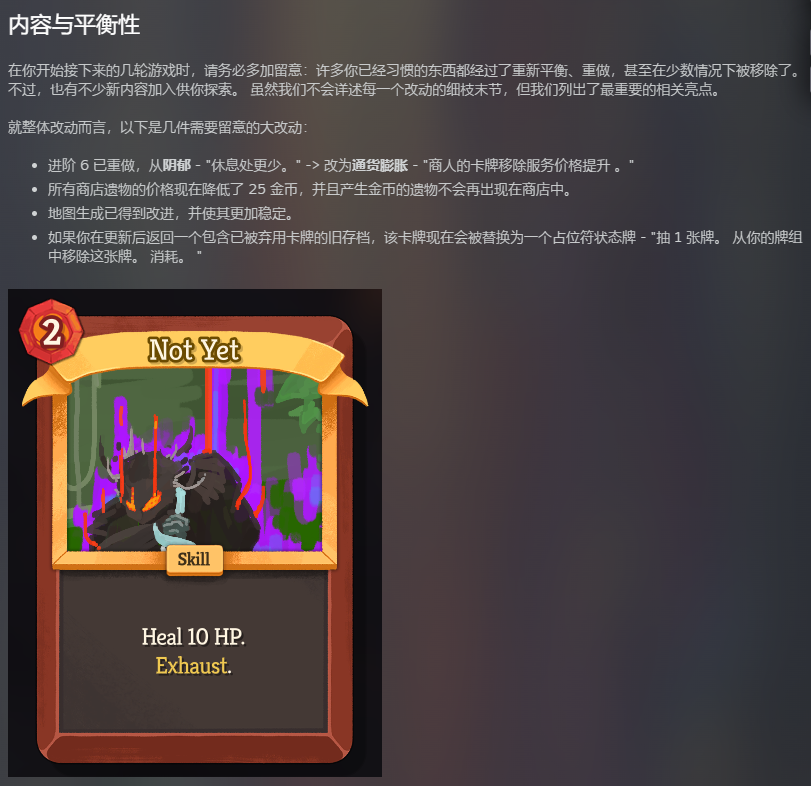
Some players expressed strong dissatisfaction with the adjustment, especially those changes that affected long-established card strategies and role genres. A significant part of the negative feedback came from the summary evaluation, with reports of over 8,000 negative assessments occurring in two days, which may be linked to the lack of effective feedback channels for Jane ‘ s players other than Steam. Such a fierce response from the player community reflects the broader contradictions that may arise in the development process, especially when balancing adjustments affect the construction of players that may take hundreds of hours. In an updated note, Mega City, the developer of the Elite 2 killings, responded to the situation by emphasizing that the balancing adjustments introduced during the pre-exposure phase were not the final version. Mega City encourages the player to be patient and wait for the game to be updated over time, while also making it clear that the functionality from the test version to the official version is still subject to modification. Mega Crit states that the ongoing adjustment is part of the normal development process and is not a permanent design decision.
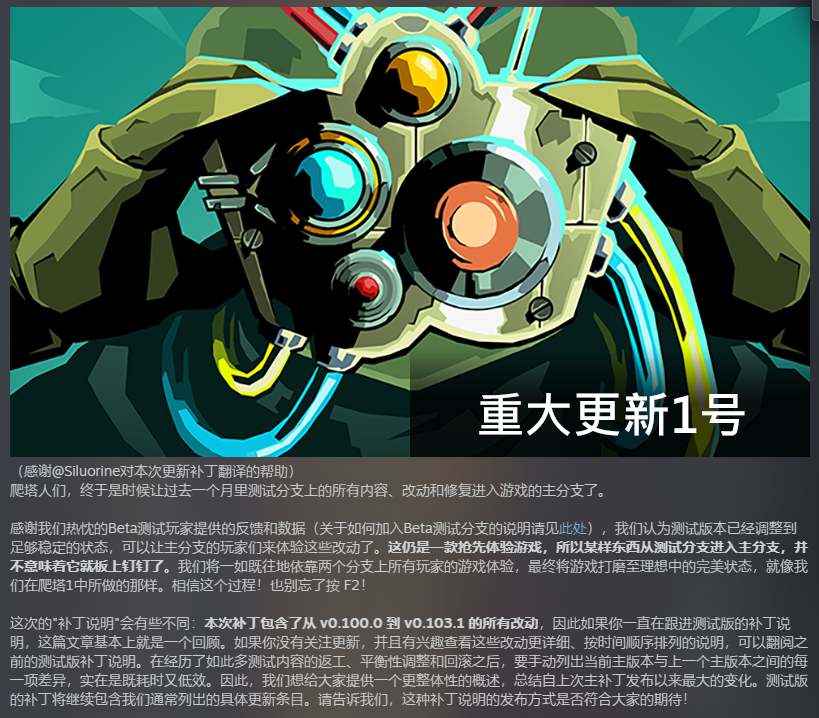
Even so, the patience of some players seems to have been exhausted, especially those who believe that recent changes have reduced tactical flexibility rather than improved long-term equilibrium. This was not the first poor bombing of the minarets in the recent past, and the balance adjustment in March triggered a large number of poor users, following which some changes temporarily restored the confidence of players. This situation highlights the challenges faced by game developers in developing both transparency and responsiveness, and in making the necessary systemic adjustments. The rogue card game is highly dependent on an improved framework of balance, which makes it all the more obvious and sometimes controversial to update it.
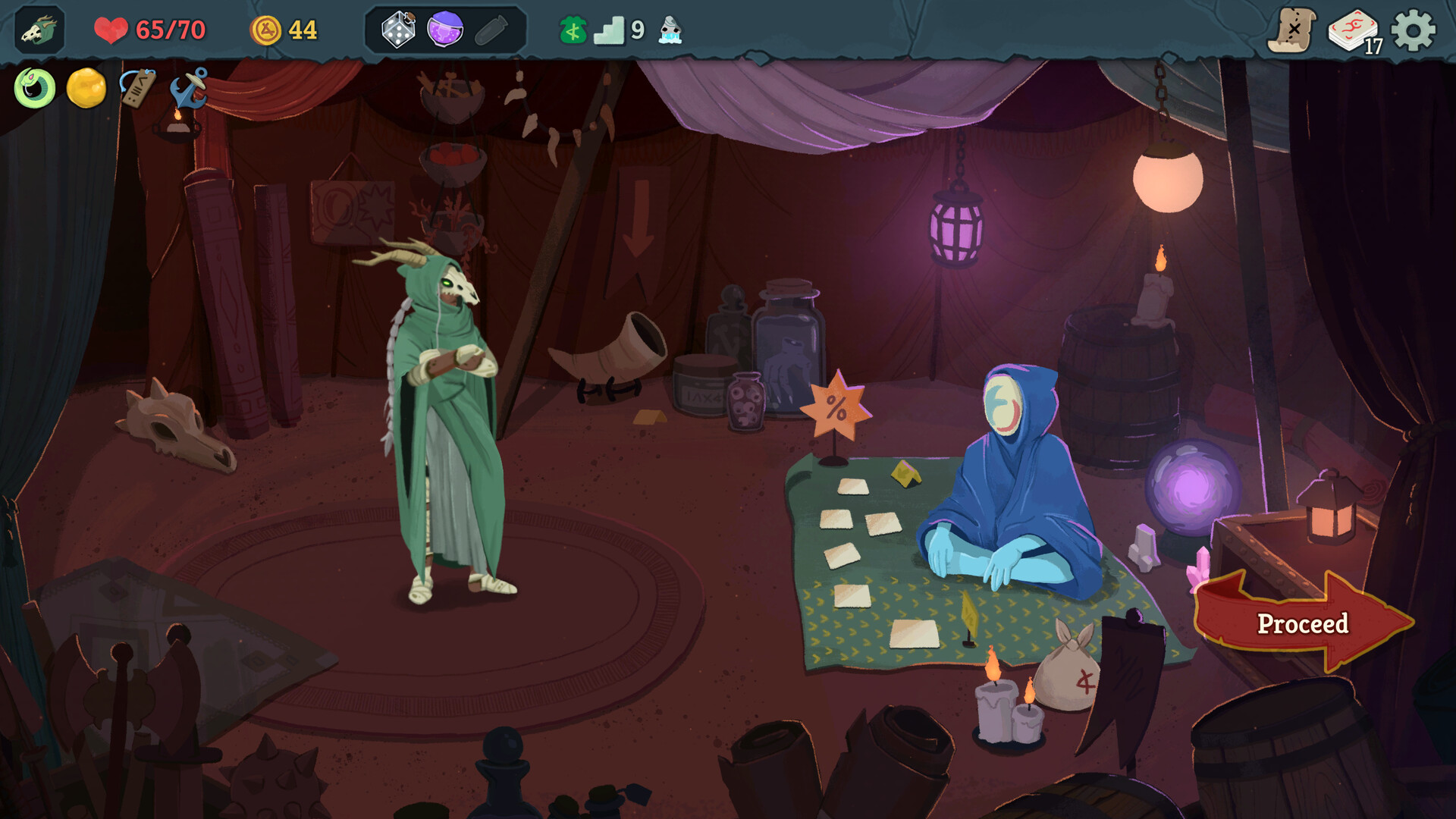
Despite the many criticisms, the Skull Tower II is still rich in its unfinished form and continues to expand its previous successful model to help it become one of the most representative card-building roguelike games of the past decade.
