The latest survey reality of Appcharge has brought the direct consumer (D2C) liquidity model to $17 billion, or about 15 per cent of the global $113.3 billion domestic purchase market for mobile applications. This data is based on a survey of over 1,200 professional game developers conducted by Appcharge between January and February 2026.
Core data are derived from the average median D2C income of 15 per cent in the survey, compared with Newzoo’s estimate of $113.3 billion in inward purchase sales for 2025.
While the survey targeted 1,200 professionals, the report points out that the analysis focused on feedback from 281 interviewees. Of these, 130 were in charge of mobile game strategy and development and 11 per cent were directly involved in mobile game development.
The report found that 92 per cent of the distributors projected an increase in D2C revenue this year, with 41 per cent predicting a double-digit increase and 18 per cent an increase of 30 per cent or more. Among all respondents, the median income generated by D2C increased by 15 per cent, a proportion as high as 35 per cent of the leading D2C adopters.
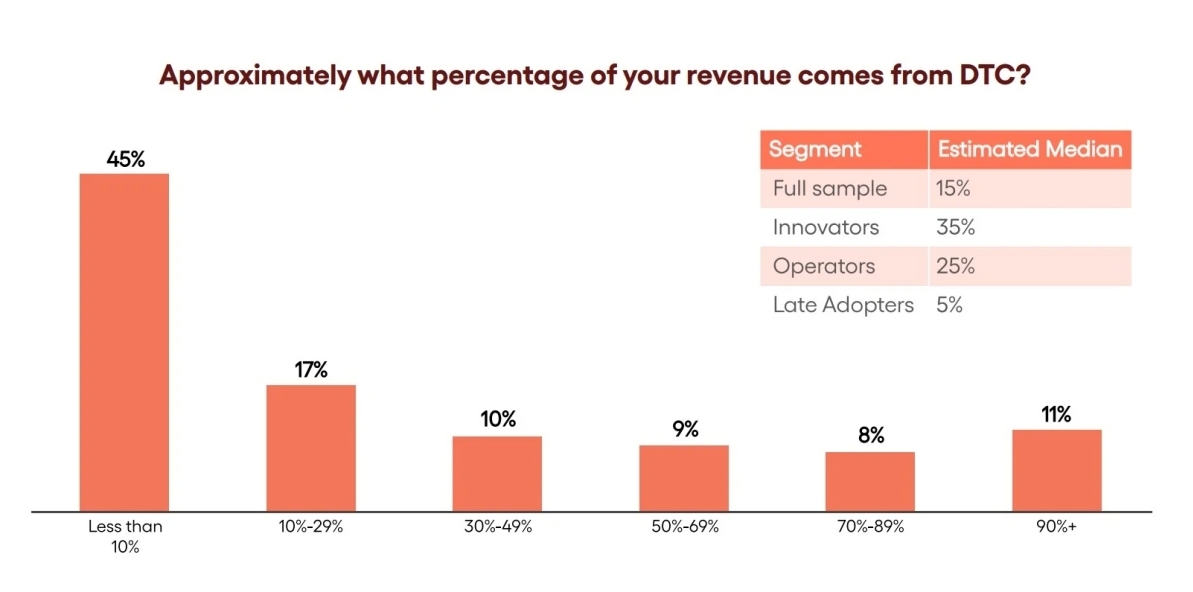
The report notes, however, that the mobile game industry is still at an early stage in the application of the D2C model. While D2C is increasingly seen as a major growth opportunity, 62 per cent of distributors indicate that they are lagging behind their peers and only 14 per cent of developers consider themselves as innovators. Only 25 per cent indicated that their D2C operations were being scaled up or matured.
Despite changes in mobile application shop policy following the April 2025 Epic v. Apple decision, 52 per cent of respondents indicated that significant strategic adjustments had not been made to their operations. Only 25 per cent of respondents indicated increased investment in the D2C channel.
More than three quarters of the issuers indicated that D2C liquidity performance was at least comparable to that of the app store, while nearly two thirds of the leading adopters reported more direct sales. The main objective of D2C is to increase revenue, which is the primary goal of 63 per cent of respondents.
The report also notes that the greatest long-term gains go beyond circumvention of the application shop. Direct ownership of the player relationship, access to first-party data, improved targeted delivery capacity and increased user retention rates were identified by distributors as key advantages of the D2C strategy.
D2C is gradually moving from an ancillary project to an independent operation. The report found that 83 per cent of companies had placed responsibility for D2C operations at the rank of director or above, while 43 per cent had allocated ownership to level C executives.

Interviewees identified AI-driven player experiences, subscription business models and cross-platform D2C strategies as key areas for future growth.
According to the report, the value of the global in-house purchase market for consumer-wide applications was estimated at $190 billion in 2025 and is expected to reach $290 billion by 2030.
“The real focus is not on the costs themselves, but on what happens when the issuer finally masters the relationship with the player — the ability to obtain data, control pricing and preferences, and give real value back to the player.
The early distributors who were committed to it not only are leading in terms of income, they know their players better, they stay longer and have more control over the future of the business. After a few years, we will no longer consider D2C as an alternative — it will be the most successful way to run the game.”
